

Key Takeaways
- The K-1 visa requires proof that you and your partner have met in person within the past two years and that the relationship is genuine and ongoing.
- The strongest evidence packages cover four categories: in-person meeting records, communication logs, shared experiences, and third-party statements.
- Quality and variety matter more than volume. A well-organized package with labeled dates and clear context carries more weight than hundreds of unsorted screenshots.
- The Thai applicant attends the interview alone at the US Embassy in Bangkok, and answers should be consistent with everything in the evidence package.
- Working with experienced immigration professionals can help couples avoid common documentation mistakes that lead to delays or denials.

One of the most common reasons K-1 visa applications run into trouble is weak or incomplete proof of relationship, and many couples do not realize how much evidence the USCIS and US Embassy actually expects. The consular officer is looking for a genuine, ongoing relationship backed by consistent documentation, not just a few photos from a single trip. Understanding what counts as strong evidence of a relationship and how to present it well can make the difference between approval and a request for additional evidence.
What Counts as Proof of Relationship for the K-1 Visa
The K-1 visa requires two things: proof that you and your partner have met in person within the past two years, and proof that the relationship is genuine and ongoing. When applying for a US visa for a Thai fiancée, USCIS and the consular officer review evidence as a whole, looking at consistency across different types of documents rather than relying on any single item.
The two-year in-person meeting rule is strict. You need to show that you and your partner were physically in the same place at least once within the 24 months before filing the petition. Passport stamps, dated photos, and matching travel records are the most direct way to prove this.
Beyond the meeting requirement, officers want to see that the relationship continued and developed after that visit. A strong package of K-1 visa proof of relationship shows both milestones clearly: you met, and the relationship remained strong over time. Quality and variety of your contacts together matter more than volume. Also, a smaller, but well-organized package that tells a clear story carries more weight than hundreds of unsorted photos and pages of information.
Best K-1 Visa Proof of Relationship Examples to Include
Here are the types of evidence that tend to carry the most weight with consular officers:
- Photos together: From multiple visits, locations, and time periods, including photos with each other’s families and friends. Avoid submitting only posed tourist shots from a single trip.
- Travel records: Flight bookings, boarding passes, hotel receipts, and passport stamps that place both of you in the same location at the same time.
- Communication logs: Consistent contact over months or years, including video call records from apps like FaceTime or LINE. Focus on exchanges that show how the relationship developed rather than submitting large volumes of repetitive messages.
- Sworn statements: From friends, family members, or colleagues who have witnessed the relationship firsthand, ideally notarized and including specific observations rather than general character references.
- Shared plans: Wedding planning correspondence, lease discussions, or event bookings that show your intention to marry once your fiancee arrives in the US.
How to Organize Your Evidence for the Interview
How you present your K-1 visa evidence of relationship matters almost as much as what you include. A clean, well-labeled package makes the USCIS’s and consular officer’s job easier and strengthens your credibility.
- Arrange by category: Travel records first, then photos, then communication logs, then third-party statements, then shared plans.
- Label everything: Each item should include a date and brief description so the officer can follow the timeline without guessing.
- Print physical copies: Digital evidence such as chat screenshots and call logs should be printed, since the embassy may not accept files shown on a phone.
- Include a cover page: A brief summary of the relationship timeline, covering when you met, how often you have visited, and your plans together.
- Translate Thai documents: Any Thai-language documents should be translated into English and presented as clean scanned copies. Unlabeled screenshots, blurry photos, and unexplained gaps in communication are common issues that weaken applications.
What to Expect at the K-1 Interview
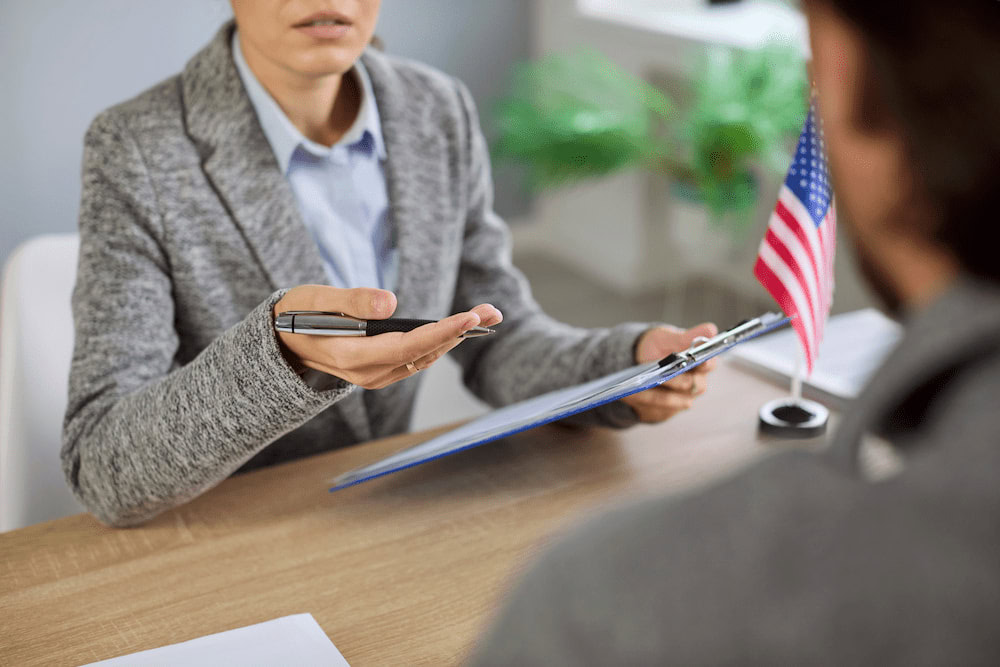
The Thai applicant attends the interview alone at the US Embassy in Bangkok. The interview may be conducted in English or Thai depending upon the preference of the applicant. The US citizen petitioner is not permitted to be present. The entire appointment, including security, document intake, fingerprinting, and waiting, takes approximately 1.5 to 2 hours, though the actual face-to-face questioning by the consular officer usually lasts around 5 to 15 minutes.
Officers typically ask:
- How you met and when you first met in person.
- How the relationship developed over time.
- What your future plans are, including wedding details and where you plan to live.
- Everyday details about each other’s routines, families, and daily lives.
Answers should be consistent with the evidence package. If your documents say you met in March 2024, your answers should match. Honest, specific answers carry more weight than rehearsed or vague responses.
If the officer requests additional documentation after the interview, you can submit it by email to the Immigrant Visa unit at the Embassy.
Strong Evidence Leads to a Stronger Application
The best proof of relationship for a K-1 visa is a well-organized package covering multiple categories: in-person meeting records, consistent communication, shared experiences, and third-party statements, all labeled with dates and arranged in a clear timeline.
To make sure your file meets these standards, working with an experienced team of Thai immigration lawyers can make all the difference. The right team provides end-to-end support, from document preparation and US Embassy interview coaching to securing required police and medical clearances, and thoroughly reviews every file before submission to catch gaps that could lead to unnecessary delays.
How Baan Thai Immigration Solutions Supports Your K-1 Visa Application
Baan Thai is a Bangkok-based immigration law firm founded by Mark Friedman, a member of the California Bar since 1987, and author of the best selling book Make Thailand Home. For more than 20 years, Mark served as General Counsel for US global companies. Baan Thai’s bilingual legal team focuses their practice on helping expats make Thailand home with deep experience in successfully securing every type of long term stay visa, and permanent residency for qualified clients. Baan Thai’s legal counselors and attorneys provide personalized service and accompany our clients to all government interactions, supporting each visa application every step of the way.
Explore how Baan Thai helps with US visas for Thai fiancées and find the right path for your situation. Book a free, no-obligation consultation today, and a counselor will reach out within 48 hours to discuss your eligibility and answer any questions you may have.
Call us: (+66) 93-498-5955 (Thailand) | International clients: reach us on WhatsApp หรือ LINE
References
- Petition for Alien Fiancé(e) (Form I-129F). Retrieved August 11, 2026, from https://www.uscis.gov/i-129f
Frequently Asked Questions About K-1 Visa Proof of Relationship