

Key Takeaways
Living in Thailand as an expat combines lower cost of living, warm climate, and modern infrastructure. Expats should prepare for practical realities of coordinating visa applications, learning a new language, and cultural adjustment. Cities like Bangkok, Chiang Mai, Hua Hin, and Phuket suit different lifestyles, and quieter provinces such as Phetchabun offer a slow, local vibe. For remote workers planning a long stay, the digital nomad visa Thailand, formally known as the Destination Thailand Visa or DTV, is one of the clearest legal pathways to settle in without a work permit.
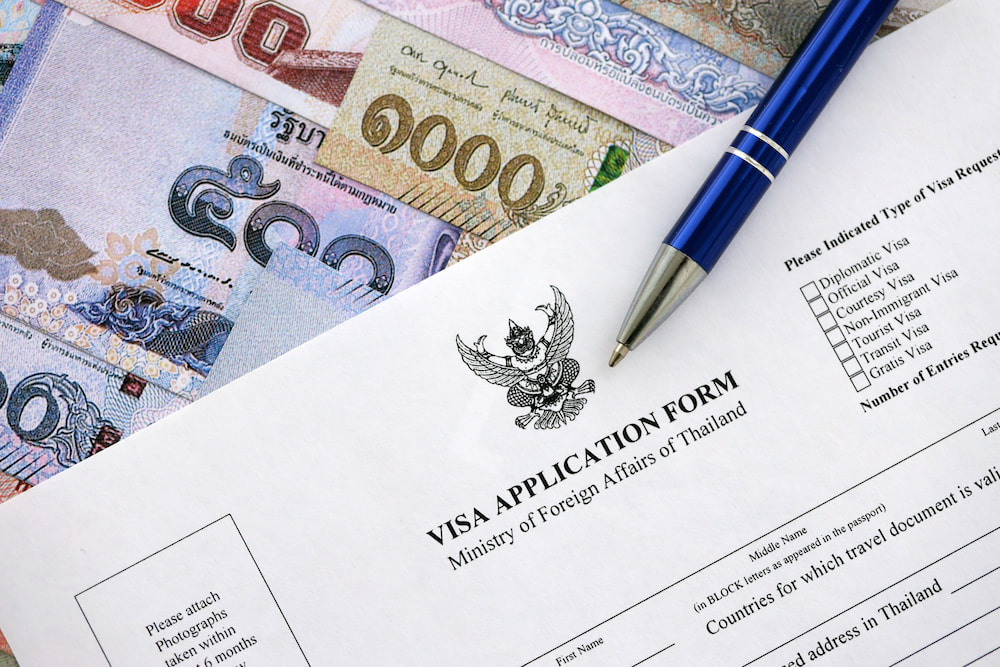
The decision on living in Thailand as an expat is shaped by many practical considerations. International news frequently features its popular beaches and lively cities, drawing in retirees, business owners, and families looking for a change from their everyday lives. Besides appreciating the more relaxed lifestyle, expatriates need to navigate visa regulations, healthcare, accommodation, and cultural adjustments if they plan to live in Thailand long term.
Whether your plan involves a temporary stay on the digital nomad visa in Thailand or long-term family relocation, understanding what everyday life looks like ensures a seamless transition.
Why Thailand Continues to Attract Expats
Thailand is an ideal place to settle down due to the country’s more easygoing pace, affordability, and well-developed infrastructure:
- Affordable daily life: The overall cost of living in Thailand is lower than in most Western countries, though everyday expenses vary by city and personal lifestyle.
- Quality private healthcare: Bangkok, Chiang Mai, and Phuket all have internationally accredited private hospitals with English-speaking doctors and staff.
- Established expat communities: Long-standing groups exist in Bangkok, Chiang Mai, Phuket, Hua Hin, Pattaya, and increasingly in smaller provinces.
- Regional travel access: Bangkok is a major hub for reaching the rest of Southeast Asia quickly and cheaply.
What Daily Life in Thailand Actually Looks Like
What is it like living in Thailand as an expat? Most expats living in Thailand report needing to adjust culturally. Here, direct communication should soften, personal relationships matter more in business, and small courtesies become the norm. Learning basic Thai phrases opens doors socially and shows respect.
Creating a social network typically happens through hobbies, coworking spaces, sports clubs, and school communities for families, all of which are widely available in the major expat cities.
Healthcare, banking, and transport are all generally accessible, though each involves paperwork that may be different from what most expats are used to.
Where Expats Choose to Live
Location shapes how expats live in Thailand more than any other decision. It helps to compare the different cities by lifestyle:
- Bangkok: Urban convenience, international schools, career opportunities, and full medical infrastructure, but with heavier traffic and higher monthly costs.
- Chiang Mai: Slower pace, strong creative and digital nomad community, quality hospitals, and lower costs. Seasonal air quality may be a drawback.
- Coastal destinations: Phuket, Hua Hin, and Pattaya boast beach lifestyles ideal for retirement or family living.
- Quieter provinces: Quieter provinces like Phetchabun in Thailand’s north central region offer lower living costs, cleaner air, and a more local feel. To explore what this would feel like day to day, watch our team’s detailed video on expat life in Phetchabun.
Cost of Living in Thailand

The cost of living in Thailand depends on location and lifestyle. The main factors to think about are:
- Housing: Rentals dominate the budget; buying property is possible but subject to specific legal rules on foreign ownership.
- Food and groceries: Local food is inexpensive; imported goods and Western restaurants will be more expensive.
- Healthcare: Private hospital visits are affordable by Western standards, but ongoing care and unexpected treatment can add up without proper insurance.
- Transportation: Bangkok has good public transit; other cities in Thailand require motorbikes, taxis, and ride apps to move around.
- Lifestyle and entertainment: Premium gym memberships, international schools, private clubs, and imported alcohol tend to be expensive.
Choosing the Right Visa for Your Goals
Every long-stay path in Thailand comes with its own eligibility, cost structure, and reporting obligations. Picking the wrong category is one of the most common early mistakes. The broad visa categories are:
- Retirement visa: The Non-O for over-50s remains the most common long-stay option for retirees.
- Marriage visa: For foreigners married to Thai nationals.
- Employment and business: Tied to a Thai employer or company setup, with a work permit alongside.
- Long-Term Resident (LTR): A 10-year option for higher-income pensioners, remote workers, and skilled professionals.
- Destination Thailand Visa (DTV): Designed for remote workers, digital nomads, and long-term visitors, valid for five years with 180 day stays per entry.
The digital nomad visa in Thailand, formally called the Destination Thailand Visa or DTV, has become the clearest legal pathway for remote workers who do not want to tie their stay to a Thai employer. Because rules and financial thresholds change, working with experienced counselors before applying helps avoid rejected applications.
Note: Immigration rules change from time to time. Confirm current visa requirements with a qualified professional before making decisions.
The Benefits and Challenges of Expat Life in Thailand
Having a balanced view helps set realistic expectations. Most expats in Thailand report the same list of pros and cons.
Pros:
- Lower overall living costs than in most Western countries.
- Access to strong private healthcare in the major cities.
- Diverse lifestyle options across urban, coastal, and rural settings.
- Warm climate and a genuinely rich food and cultural scene.
Cons:
- Language barriers outside tourist and expat hubs.
- Ongoing visa compliance, including reporting obligations and renewals.
- Different administrative processes that are conducted in Thai.
- Cultural adjustment required for better social networking.
How Baan Thai Immigration Solutions Supports Digital Nomad Visas in Thailand
Baan Thai is a Bangkok-based immigration law firm founded by Mark Friedman, a member of the California Bar since 1987 and author of the best-selling book Make Thailand Home. For more than 20 years, Mark served as General Counsel for US global companies. Baan Thai’s bilingual legal team focuses their practice on helping expats make Thailand home with deep experience in successfully securing every type of long term stay visa and permanent residency for qualified clients. Baan Thai’s legal counselors and attorneys provide personalized service and accompany our clients to all government interactions, supporting each visa application every step of the way.
Explore Baan Thai’s digital nomad visa in Thailand to find the right path for your situation. Book a free, no-obligation consultation, and a counselor will reach out within 48 hours to discuss your eligibility and next steps and answer any questions you may have.
Call us: (+66) 93-498-5955 (Thailand) | International clients: reach us on WhatsApp หรือ LINE
References
- Destination Thailand Visa (DTV). Retrieved August 3, 2026, from https://www.thaiembassy.com/thailand-visa/destination-thailand-visa-dtv
- Thailand Long-Term Resident Visa. Retrieved August 3, 2026, from https://ltr.boi.go.th/
- Health System in Thailand. Retrieved August 3, 2026, from https://www.who.int/thailand/health-topics/health-systems
Frequently Asked Questions About Living in Thailand as an Expat (FAQs)