

Key Takeaways:
- Thai citizenship is open to foreign nationals, but it is granted only after years of legal residence and a thorough government review.
- Most applicants qualify either by naturalizing through permanent residency or by marrying a Thai national, and each route carries its own conditions.
- Eligibility rests on factors such as length of residence, a steady income, a tax history, and Thai language capability.
- Citizenship provides rights that visas and permanent residency cannot. Thai citizens can own land, work without obtaining a work permit, and remain in Thailand without a visa or otherwise reporting to Immigration.
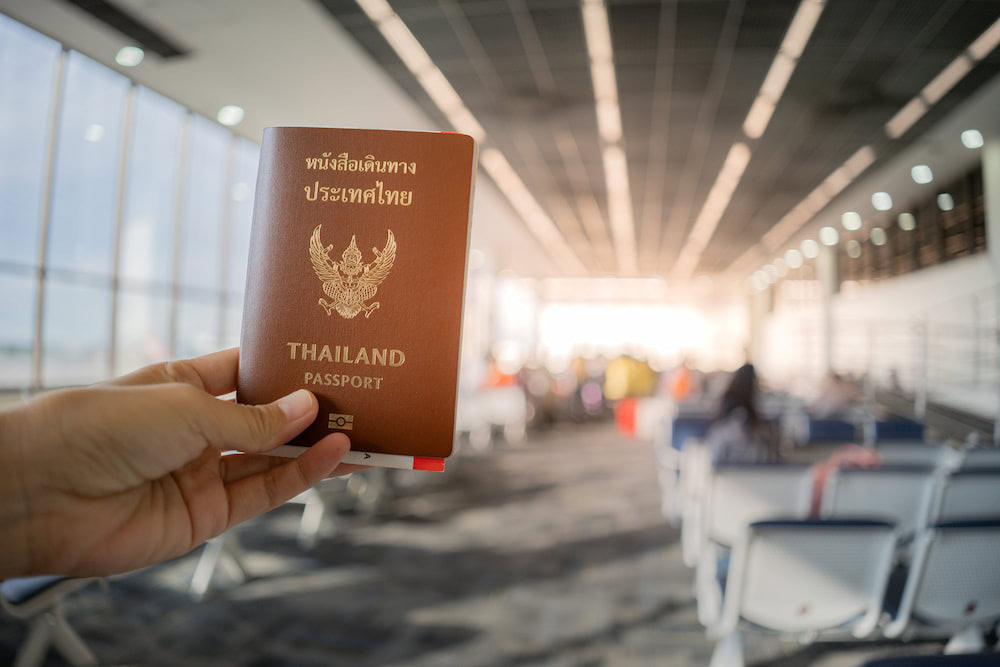
Learning how to get Thai citizenship is an important consideration because Thai citizenship represents the final step in turning a long-term stay into a permanent future in the Kingdom. It removes the need for visas, grants rights unavailable to other expats, and provides a permanent and comprehensive connection to Thailand. Learning how to get Thai citizenship, however, requires meeting strict residency, income, and language requirements over several years.
Main Pathways to Thai Citizenship
Knowing how to become a Thai citizen begins with identifying which of the 3 recognized routes applies to you. Many foreigners researching how to become a Thai citizen are surprised to learn that permanent residency is often the most important first step. For most naturalization applicants, citizenship is actually the second stage of a much longer immigration journey.
- Naturalization: The most common route for unmarried expats, who must first secure permanent residency for five years before they can apply.
- Marriage: Foreign nationals married to Thai citizens can apply without first holding permanent residency, provided they are legally employed on a marriage visa in Thailand rather than residing solely as a non-working dependent.
- Descent: Individuals with a Thai parent acquire nationality at birth and do not need to apply for naturalization.
Whether you qualify through standard naturalization or marriage, both routes lead to the same formal application and government review.
What Are the Requirements to Become a Thai Citizen?
The Thailand citizenship requirements fall into two parts: a baseline that every applicant must meet, and conditions that vary by route. The shared requirements are:
- At least 20 years old with a clean criminal background, verified through checks in both Thailand and your home country.
- Income from lawful employment in Thailand, held under a valid work permit, with at least 3 years of personal income tax filings.
- A points-based assessment scoring at least 50 out of 100, covering age, education, income, house registration, Thai language ability, and a civics quiz.
- A Thai language interview conducted by government officials.
The official government fee schedule applies equally to both routes: an initial application fee of 10,000 THB for adults (5,000 THB for accompanying minors), followed by a 1,000 THB fee for the citizenship certificate upon final approval.
Beyond these shared criteria, the two routes differ in residence, income, and a few details:
| Requirement | Standard Route | Marriage Route |
|---|---|---|
| Permanent Residency Required | Yes | No |
| Residence Requirement | 5 years PR | 3 years marriage-based |
| Income Requirement | 80,000 THB/month | 40,000 THB/month |
| Work Permit History | Required | Required |
| Thai Language Interview | Yes | Yes |
| Anthem Knowledge | Often required | Usually exempt |
What Is the Process of Applying for Thai Citizenship in Thailand?
A citizenship application moves through these main stages, from confirming the pathway to the final government review:
- Confirm your pathway and review eligibility: Determine whether you qualify through naturalization or marriage, and verify that you meet all income, residence, and documentation thresholds before gathering paperwork.
- Prepare your documents: Collect identity records, immigration history, employment verification, tax filings, family documents, and criminal clearance certificates from both Thailand and your home country. Foreign documents may need certified translations and legalizations.
- Submit your application: File with the Special Branch Bureau of the Royal Thai Police in Bangkok, or the Provincial Police Headquarters if you live outside the capital.
- Government review: The initial Special Branch screening takes approximately 90 days. The application then moves to the Ministry of Interior for further review. The total timeline from submission to Royal Gazette publication runs 1 to 3 years, and up to 5 years in complex cases.
Why Permanent Residency Usually Comes First
For most applicants, permanent residency is the longest stage of the journey toward citizenship. An applicant must keep that status for 5 years before taking the next step toward an application for citizenship. Anyone researching how to get citizenship in Thailand through the standard route should prepare well in advance. Meeting the standard Thailand permanent residency requirements comes down to several key conditions:
- 3 years on the same visa category before applying.
- Income of 80,000 to 100,000 THB per month and basic Thai conversational skills.
- An application fee of 7,600 THB plus a permit fee of 191,400 THB for the Work/Business category or 95,700 THB for the Humanity/Family category.
- The permanent residency window typically opens every October, so preparation should start several months ahead to have all documents ready in time.
Timing matters as much as eligibility. Applying while still employed is required, rather than waiting until a job change or retirement, and retirement visas do not qualify as a pathway for permanent residency. Once granted, permanent residency must be thoughtfully maintained: before any trip abroad, the PR holder must obtain a re-entry endorsement and return within one year, or the status lapses.
Benefits of Thai Citizenship
- No visa extensions: No immigration check-ins, extensions, and 90-day reporting.
- No work permit requirement: Work freely in any unrestricted profession without needing an employer’s sponsorship.
- Ability to own land: Buy, hold, and inherit freehold land and property directly in your own name.
- Access to a Thai passport: Travel with increasing ease using a passport with growing visa-free global access.
- Simplified business ownership options: No restrictive foreign ownership quotas and complex corporate setup rules.
- Residence rights: Live in the country permanently without expiration dates or entry conditions.
- Greater long-term security: Build a stable, permanent future for yourself and your family with full legal compliance

How Baan Thai Immigration Solutions Supports Your Thai Citizenship Application
Baan Thai is a Bangkok-based immigration law firm founded by Mark Friedman, a member of the California Bar since 1987, and author of the best-selling book Make Thailand Home. For more than 20 years, Mark served as General Counsel for US global companies. Baan Thai’s bilingual legal team focuses their practice on helping expats make Thailand home with deep experience in successfully securing every type of long-term stay visa and permanent residency for qualified clients. Baan Thai’s legal counselors and attorneys provide personalized service and accompany our clients to all government interactions, supporting each visa application every step of the way.
Thai citizenship is rarely achieved through paperwork alone. Strategic planning, accurate documentation, and timing can significantly affect the outcome. Baan Thai’s immigration lawyers guide qualified applicants from permanent residency through to citizenship, helping reduce delays and avoid common mistakes along the way.
Book a free, no-obligation consultation, and a counselor will reach out within 48 hours to discuss your eligibility and next steps and answer any questions you may have.
Call us: (+66) 93-498-5955 (Thailand) | International clients: reach us on WhatsApp หรือ LINE
References:
- Nationality Act (B.E. 2508). Retrieved 15 October 2026, from https://www.ecoi.net/en/file/local/1206519/1504_1218185317_nationality-act-b-e-2508.pdf
- How to Get Thai Citizenship for Foreigners? Retrieved 15 October 2026, from https://alalanguage.com/blog/how-to-get-thai-citizenship-for-foreigners